Before the House Lights Fall
A docent's checklist for an evening that begins at the table and ends under a projected sky.
Planning Figures
- 2–6 wkstypical lead time for special evenings
- 15–20 minarrive before the dome opens
- 0flash photographs in the dome
- 1last check: the venue's own page
Seven Steps to a Good Night
1. Choose the format first
Decide whether you want a relaxed café visit, a ticketed dinner-and-show evening or a private hire. Each is booked differently; see Tables Under the Projector.
2. Check the show schedule and the sunset
Dome shows run at fixed times, and many historic sites sit on hills or in parks with fine horizons. Book your meal so that you finish as the real sky darkens and walk into the dome just as the house lights fall.
3. Book early for seasonal evenings
Winter nights, meteor showers, eclipses and holidays sell out. Special events often release tickets weeks ahead. Café seating is usually first come, first served.
4. Confirm closures and refurbishments
Projectors are serviced and domes are renovated. Historic planetariums occasionally close for months. Check announcements before travelling, especially across borders.
5. Ask about accessibility
Older buildings may have stairs, narrow rows and steeply reclined seats. Many venues offer wheelchair spaces, assisted listening and relaxed shows. Mention needs when booking; a dark dome can also be unsettling for some guests.
6. Bring children thoughtfully
Family shows are shorter and brighter. Adult evenings may have age limits set by the venue, particularly where alcohol is served. Follow the stated limits.
7. Mind the dome etiquette
Phones dimmed or off, no flash, no food or drinks inside, and latecomers seated only at a pause. The darkness is the show.
Pairing the Dome With Real Stars
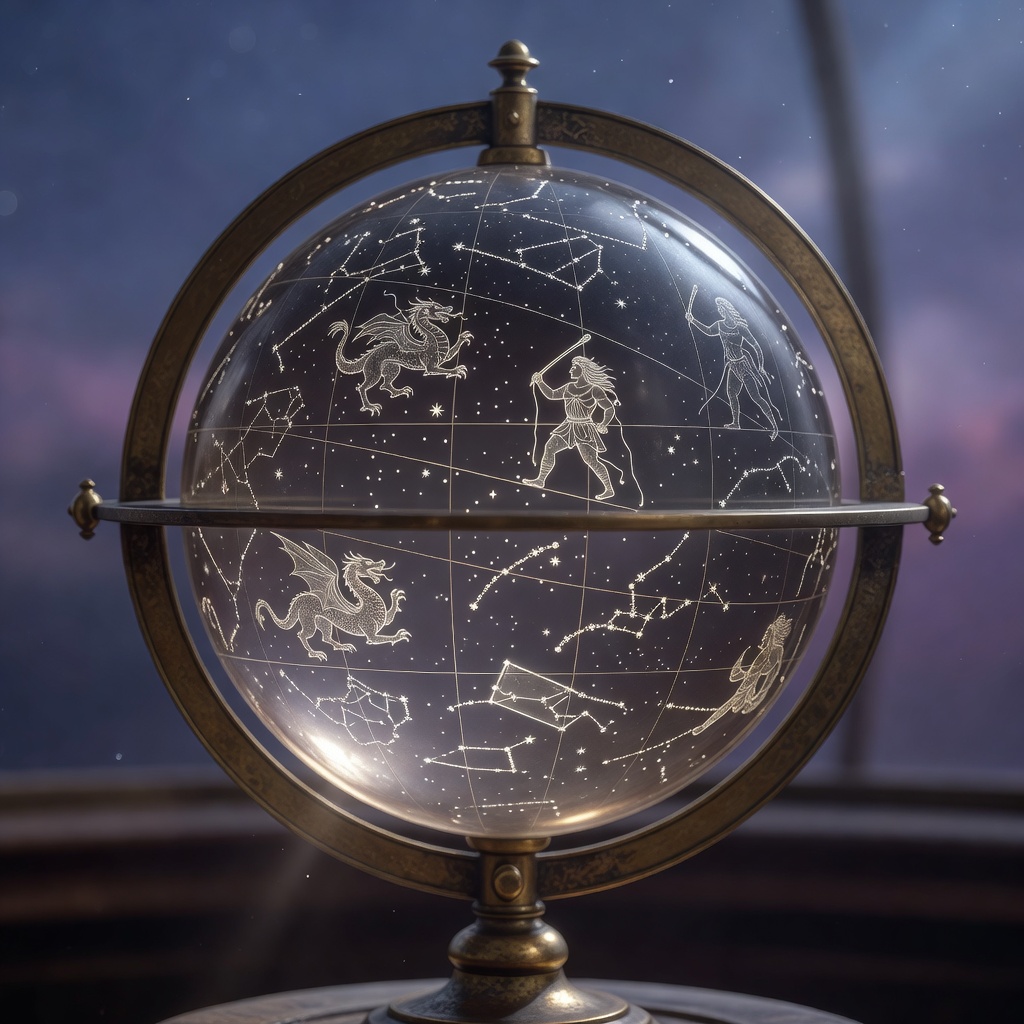
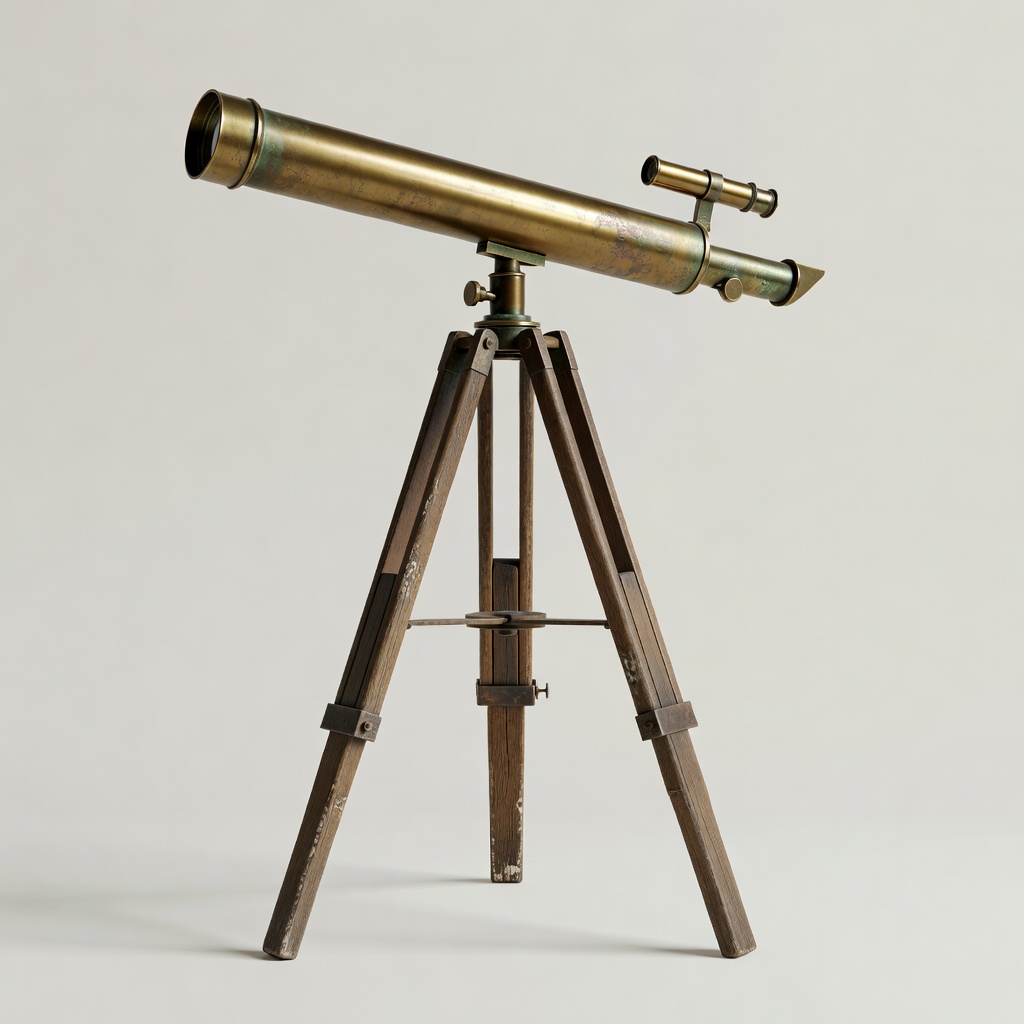
The finest evenings combine three skies: the sunset seen from a terrace, the projected sky inside the dome and, if the weather allows, the real night through a telescope. Griffith Observatory is famous for free public telescope viewing on clear evenings; many other observatories with planetariums hold regular public observing nights.
Plan for weather. Clouds will not cancel a dome show, but they will close a telescope. Bring a layer for hilltop terraces, which cool quickly after sunset, and allow time to let your eyes adapt to the dark outdoors after leaving a brightly lit café.
Travelling to a historic dome
Historic planetariums are often in parks or on hills where parking is limited at night. Public transport or a pre-booked taxi for the return journey saves a cold wait. In Hamburg, the Stadtpark is served by nearby rail stations; in Los Angeles, Griffith runs or supports shuttle options at busy times. Check current arrangements for each site.