From Zeiss Mark I to Digital Domes
How a museum commission in Munich became a worldwide architecture of projected skies, and how the café found its place beside it.
The Century in Figures
- 1923Mark I demonstrated
- 1926Jena dome opens
- 1930Adler and Hamburg open
- 2000Rose Center rebuilds Hayden
A Commission From Munich
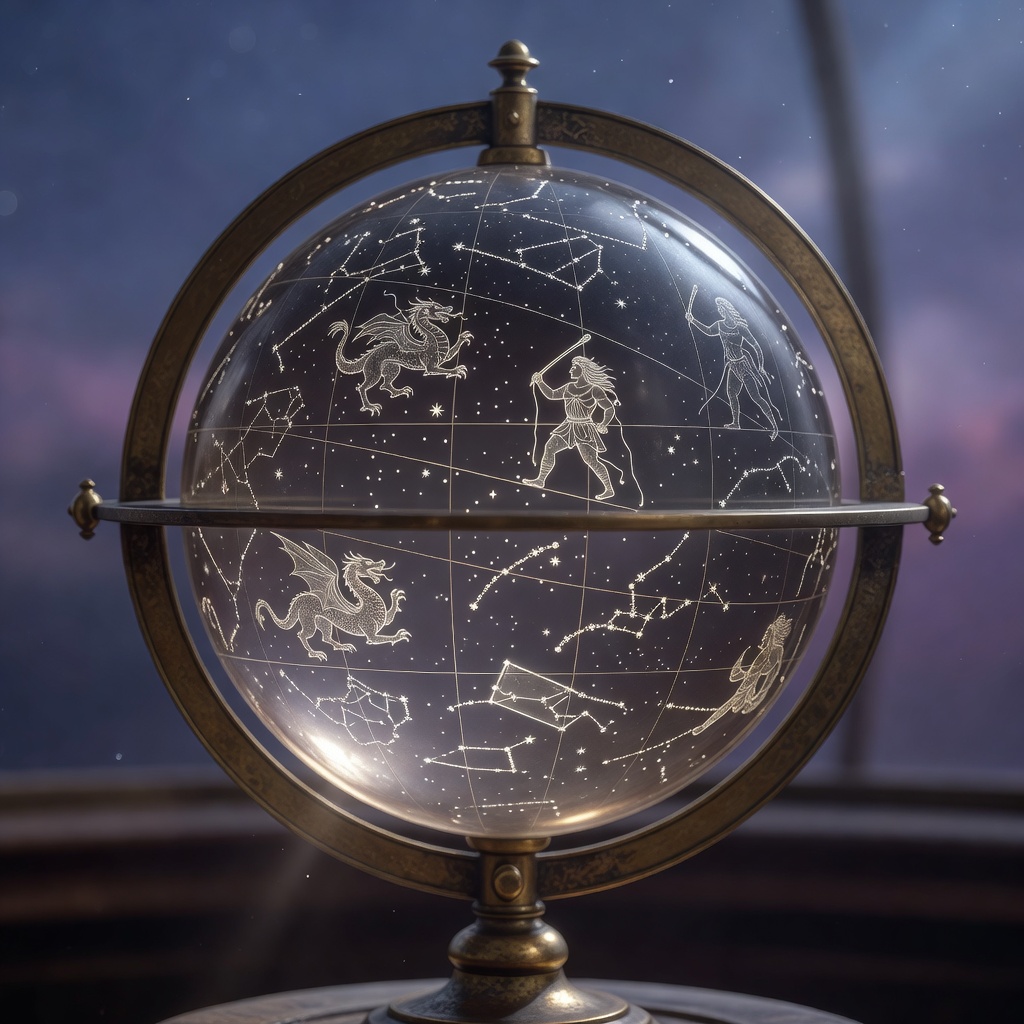
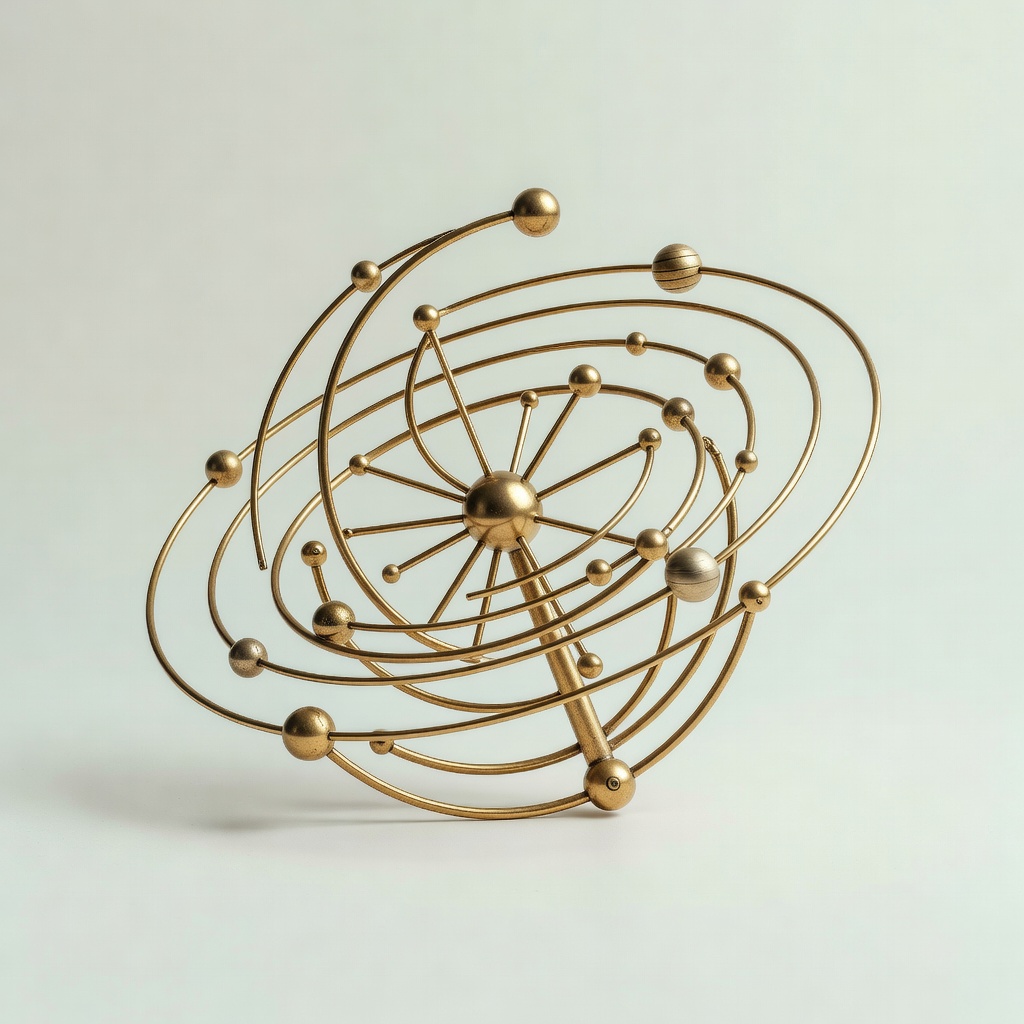
Long before projected stars, astronomy was taught with orreries, brass clockwork models of the solar system, and with walk-in globes such as the Gottorf Globe of the seventeenth century. Oskar von Miller, founder of the Deutsches Museum in Munich, wanted something more immersive: a room in which visitors could see the night sky move as it really does. He approached the optical firm Carl Zeiss in Jena.
The engineer Walther Bauersfeld and his colleagues answered with a radical idea. Instead of a rotating sphere with holes, a central projector would cast images of the stars onto a fixed white hemisphere. The Zeiss Model I, often called the Mark I, was demonstrated in 1923, first under a test dome on the roof of the Zeiss works in Jena and then at the Deutsches Museum. It showed roughly 4,500 stars along with the Sun, Moon and planets. Visitors who saw it called it a miracle.
Within a decade, domes rose across Germany and then abroad. The Zeiss Mark II, with two star globes to show both hemispheres, gave the projector its famous dumbbell shape and allowed planetariums to show the sky from any latitude.
Milestones of the Projected Sky
| Year | Event | Place |
|---|---|---|
| 1923 | Zeiss Mark I projector demonstrated to the public | Jena and Munich, Germany |
| 1925 | Planetarium formally opens at the Deutsches Museum | Munich, Germany |
| 1926 | Zeiss-Planetarium Jena opens; still operating today | Jena, Germany |
| 1930 | Adler Planetarium opens, first in the Western Hemisphere | Chicago, USA |
| 1930 | Planetarium Hamburg opens inside a former water tower | Hamburg, Germany |
| 1933 | Fels Planetarium opens at the Franklin Institute | Philadelphia, USA |
| 1935 | Griffith Observatory and the original Hayden Planetarium open | Los Angeles and New York, USA |
| Late 1940s | Armand Spitz popularises compact, affordable projectors | United States |
| 1983 | Digistar, an early digital planetarium system, is introduced | Evans & Sutherland, USA |
| 2000 | Hayden Planetarium reborn in the Rose Center for Earth and Space | New York, USA |
| 2006 | Griffith reopens after renovation, with a new café | Los Angeles, USA |
| 2016 | Zeiss-Großplanetarium reopens after modernisation | Berlin, Germany |
How the Café Joined the Dome
Early planetariums were busy. Shows ran on fixed schedules and audiences waited in foyers, so refreshment counters appeared almost as soon as the doors opened. Many sites were placed deliberately in parks and on hills, which encouraged visitors to make a day of it and created a natural market for food.
The second wave came with restoration. From the 1990s onward, institutions renovating interwar landmarks rethought them as all-day destinations. Griffith Observatory's renovation added the Café at the End of the Universe; New York's Rose Center placed the Hayden sphere within a museum complex with its own dining. Elsewhere, historic domes began hosting adult evenings, concerts and private events, where catering became part of the programme.
Digital projection changed the content of shows, not the etiquette. Fulldome video can now fly audiences through galaxies, yet the dome still needs darkness and quiet, and food still waits at the door. The history of planetarium dining is therefore a history of neighbouring rooms: the café, the terrace, the foyer, all built to hold the anticipation before the sky appears.
Continue with Tables Under the Projector for today's formats.